Facelift surgery is not one-size-fits-all, and this is especially true when it comes to differences in facial anatomy across ethnic backgrounds. Asian facial anatomy differs from Western anatomy in several meaningful ways, and a surgeon who does not account for these differences risks producing a result that looks generically "lifted" rather than like a natural, rejuvenated version of the patient's own face. Understanding these anatomical distinctions is essential for any Asian patient considering facelift surgery.
Key Anatomical Differences That Matter
Asian skin, on average, tends to be thicker with a more robust dermal layer and often contains more subcutaneous fat than Caucasian skin. This affects how tissue responds to lifting and tension: thicker skin can sometimes mask early signs of aging for longer, but when laxity does develop, it also means surgical technique needs to account for that additional tissue thickness to avoid an unnatural, overly smoothed appearance.
Facial bone structure also tends to differ, with many Asian patients having a wider, flatter midface and a less pronounced cheekbone projection compared to typical Western facial proportions. A facelift technique borrowed directly from Western surgical norms, without adjustment, can inadvertently narrow or over-contour the midface in a way that looks disconnected from the patient's natural bone structure.
Fat distribution patterns matter as well. Asian faces often carry fat in different zones than Western faces, and preserving appropriate volume in the midface and cheek area during a facelift is important for avoiding a hollow or aged appearance, even as sagging skin is corrected.
Why "Natural" Looks Different for Every Ethnicity
One of the most important, and sometimes underappreciated, goals in facial plastic surgery is preserving what actually makes a result look natural for that specific patient's ethnic background and individual features, rather than pulling every patient toward a single aesthetic template. For Asian patients, this means a facelift should tighten and lift sagging tissue while preserving the natural width, softness, and proportion of the midface, rather than creating an artificially narrowed or overly angular result that reads as inconsistent with the patient's underlying bone structure and features.
Surgeons who specialize in facial rejuvenation for Asian patients typically place particular emphasis on preserving natural cheek fullness, avoiding excessive skin tension that can distort eye shape or eyebrow position, and maintaining harmony between the surgical result and the patient's ethnic facial characteristics rather than imposing a standardized Western aesthetic. A mini-plus lifting technique is often well suited to this goal, since it allows meaningful correction of sagging while preserving the natural width and softness that many Asian patients want to maintain.
Common Concerns Among Asian Facelift Patients
Asian patients considering a facelift often present with specific concerns including jowling along the jawline, loss of definition at the jaw and neck border, deepening nasolabial folds, and midface descent that creates a tired or heavier appearance. Because Asian skin often has more subcutaneous fat, some patients also benefit from combining facelift surgery with targeted fat grafting or repositioning, rather than skin tightening alone, to restore both lift and appropriate volume in the right areas.
Scar Considerations
Because Asian skin can be more prone to certain types of scarring, including hyperpigmentation or, in some cases, hypertrophic scarring, incision placement and post-operative scar care require particular attention. Experienced surgeons plan incisions carefully along natural hairline and ear contours and provide specific scar management guidance tailored to skin type, helping ensure incisions heal as inconspicuously as possible.
Why Surgeon Experience With Asian Anatomy Matters
Not every surgeon who performs excellent facelifts on Western patients will automatically produce equally natural results on Asian patients, simply because the underlying anatomy requires different judgment calls throughout the procedure. When researching a surgeon, it is reasonable, and advisable, to specifically ask about their experience performing facelifts on patients with similar facial anatomy to your own, and to review before-and-after photos of actual Asian patients rather than assuming technique translates automatically across ethnic backgrounds.
The KOGA CLINIC Approach
At KOGA CLINIC, facelift planning for Asian patients is built specifically around preserving the individual's natural facial identity: maintaining appropriate midface volume, avoiding over-tightening that can distort natural proportions, and tailoring incision and scar management strategies to Asian skin characteristics. The goal of every facelift performed is not to create a generic "lifted" appearance, but to help each patient look like a rested, refreshed version of themselves, with results that remain in harmony with their natural features and heritage.
Preserve Your Natural Facial Identity
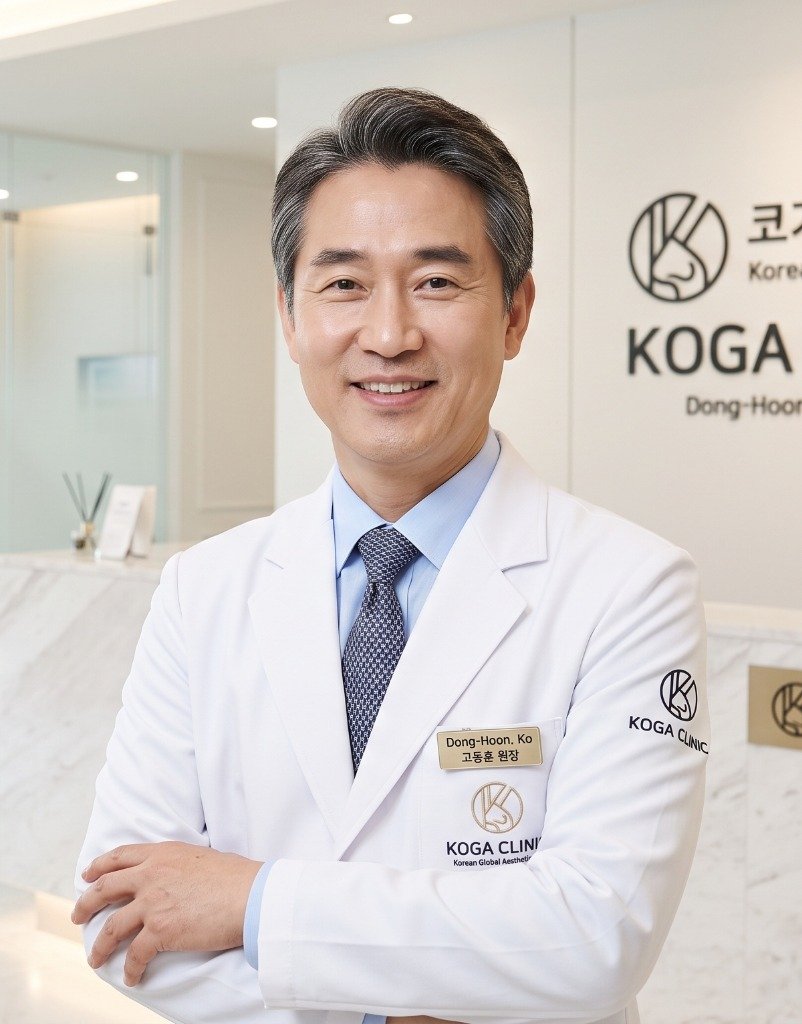
Consult with Dr. Dong-Hoon Ko, M.D. to design a surgical plan harmonized with your unique facial anatomy.
Book Personalized Consultation