Facial contouring surgery, including jaw reduction, cheekbone reduction, and V-line surgery, has become extremely popular for patients seeking a more refined, slimmer facial shape. What is discussed far less often, however, is that removing bone structure can, in some patients, eventually lead to soft tissue sagging that was not present, or not as noticeable, before the original surgery. Understanding why this happens, and what can be done about it, is important for anyone who has had facial contouring and is now noticing changes in how their skin sits on their face.
Why Bone Reduction Can Lead to Later Sagging
Facial soft tissue, including skin, fat, and muscle, relies on the underlying bone structure for support, much like fabric draped over a frame. When bone is reduced, particularly along the jaw or cheekbones, the frame supporting the overlying soft tissue becomes smaller. In the months and years following contouring surgery, especially as natural aging processes add their own effects, the soft tissue that once had a larger bony frame to rest on can begin to sag or descend, sometimes creating jowling, a less defined jawline, or a "melting" appearance that patients often do not expect after having had surgery specifically to create a more sculpted look.
This effect is not universal and does not happen to every patient who undergoes contouring surgery, but it is a recognized phenomenon, particularly in patients who had significant bone reduction, who are naturally aging over the years following their original surgery, or who had contouring performed at a younger age and are now well into their thirties, forties, or beyond.
Recognizing the Signs
Patients who experience post-contouring sagging often describe a specific pattern: initially loving their more refined facial shape immediately after contouring surgery, then gradually noticing over subsequent years that their jawline has softened, jowls have started to appear despite having had jaw reduction, or their cheek and midface area has started to look somewhat hollow or descended in a way that feels disconnected from how youthful the rest of their face appears. If this pattern sounds familiar, it is worth having a facial plastic surgeon specifically evaluate whether soft tissue laxity, rather than bone structure, is now the primary concern.
Why This Requires a Different Surgical Approach Than a Standard Facelift
A facelift for a patient with a history of facial contouring surgery is not necessarily performed differently in technique, but it does require more careful pre-operative planning, and patients with more pronounced sagging following bone reduction often benefit from a more thorough plus-up lifting approach rather than a limited technique. The surgeon needs a clear understanding of exactly what contouring procedures were previously performed, since this affects the underlying bone structure and blood supply to the region. Surgeons also need to assess how much soft tissue volume may have been lost or redistributed since the original surgery, since post-contouring facelift patients sometimes benefit from a combination of lifting and volume restoration, such as fat grafting, rather than skin tightening alone.
Timing Considerations
There is no single correct amount of time that must pass between contouring surgery and a facelift; the right timing depends entirely on when noticeable sagging develops for that individual patient, which can vary from several years to decades after the original procedure. What matters most is that any consultation includes a detailed history of the previous contouring surgery, ideally including any available records or details from the original surgeon, so the facelift can be planned with full awareness of the altered underlying anatomy.
Setting Realistic Expectations
Patients considering a facelift after previous contouring surgery should understand that the goal is to correct the soft tissue sagging that has developed, restoring appropriate lift and, where needed, volume, rather than attempting to reverse or redo the original bone contouring itself. A skilled surgeon will be transparent about what is achievable given the altered underlying structure, helping set expectations that align with a natural, harmonious outcome rather than an unrealistic one.
How KOGA CLINIC Approaches These Cases
At KOGA CLINIC, patients with a history of facial contouring surgery receive a specifically detailed consultation that accounts for their surgical history, current bone structure, and soft tissue condition, allowing the surgical team to recommend the right combination of lifting and, if appropriate, volume restoration to address sagging in a way that respects the patient's previous surgery and produces a cohesive, natural result.
Restore Jawline Definition After Bone Contouring
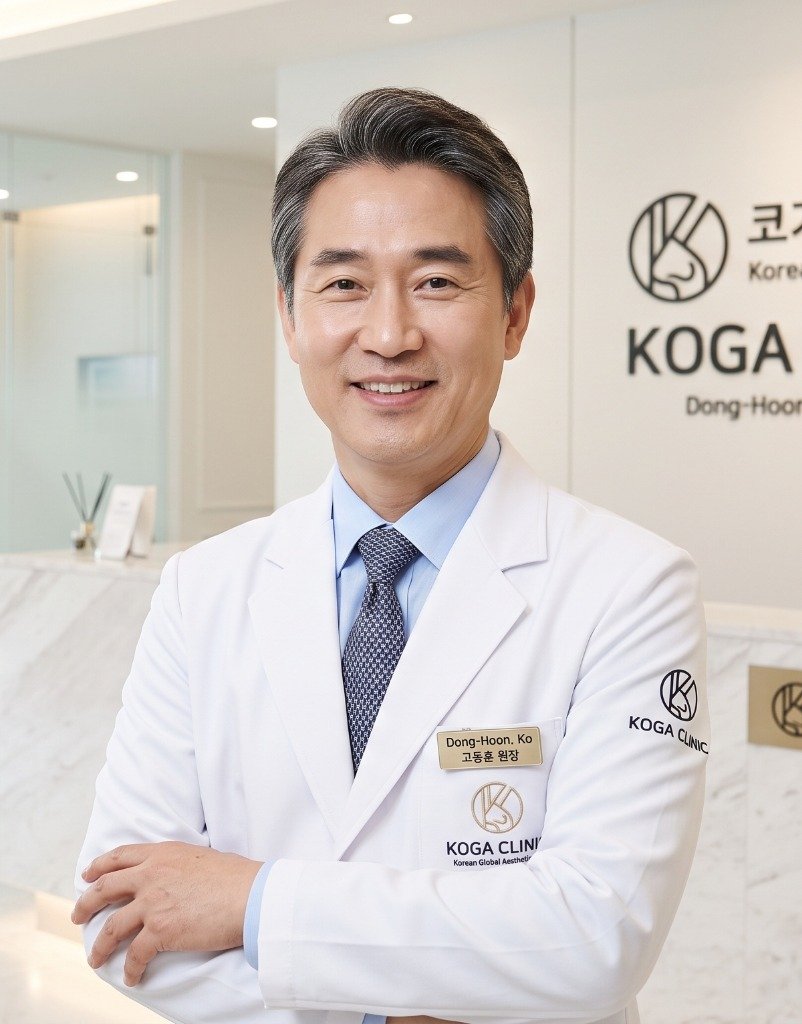
Meet with Dr. Dong-Hoon Ko, M.D. to evaluate structural soft tissue support and customized re-lifting solutions.
Book In-Depth Consultation