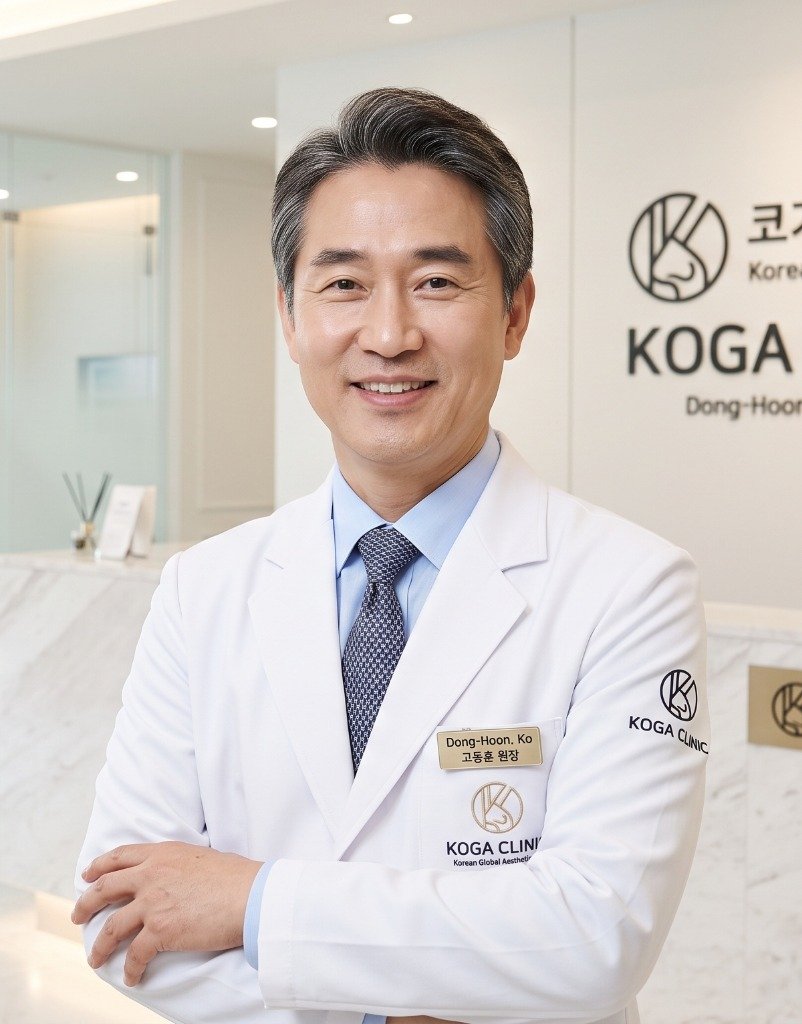
A facelift can produce dramatic, natural-looking rejuvenation, but it is not the right procedure for every person or every set of concerns. Determining whether you are a good candidate involves looking honestly at three separate factors: your general health, the specific way your face has aged, and what you actually expect the surgery to accomplish. Understanding these factors before you ever step into a consultation room will help you have a far more productive conversation with your surgeon.
Health Considerations That Matter Most
Because a facelift is performed under anesthesia and involves surgical incisions, elevation of the skin, and often repositioning of the underlying muscle layer, your body needs to be able to tolerate both the procedure and the healing process that follows. Surgeons generally look for candidates who are in good general health, meaning any chronic conditions such as diabetes or high blood pressure are well controlled rather than left unmanaged. Smoking and nicotine use are particularly important, since nicotine constricts blood vessels and can significantly impair healing at the incision sites, increasing the risk of complications. Most reputable surgeons, including the team at KOGA CLINIC, will require patients to stop smoking and using nicotine products for a defined period before and after surgery.
Blood clotting disorders, uncontrolled autoimmune conditions, and certain medications or supplements that thin the blood can also affect candidacy and typically need to be addressed or adjusted before surgery is scheduled. This is why a thorough medical history review is a standard part of any responsible facelift consultation.
Anatomy: What a Facelift Can and Cannot Fix
A facelift is designed to address sagging skin and descended facial tissue, primarily in the lower face, jawline, and neck. Good candidates typically show visible jowling along the jawline, loss of definition between the jaw and neck, deepening nasolabial folds, and skin laxity that has progressed beyond what non-surgical treatments can meaningfully improve.
It is equally important to understand what a facelift does not treat. It does not significantly change skin texture, sun damage, or fine surface wrinkles, which are better addressed with resurfacing treatments. It does not add volume to hollow areas of the face; that concern is typically treated with fat grafting or filler, often performed alongside a facelift rather than instead of it. And it does not treat upper face concerns like heavy brows or hooded eyelids, which fall under browlift or blepharoplasty procedures. A surgeon's job during consultation is to map your specific concerns onto the procedure, or combination of procedures, that actually addresses them.
Skin Quality and Elasticity
Patients with some remaining skin elasticity, even after significant sagging has developed, tend to achieve smoother, more natural results, because the skin can redrape well over the repositioned tissue. Patients with extremely thin, sun-damaged, or very inelastic skin may still be excellent candidates, but the surgeon may recommend combining the facelift with skin quality treatments to optimize the final result.
Realistic Expectations
Perhaps the most overlooked candidacy factor is not physical at all: it is expectations. A facelift can make you look like a refreshed, less tired version of yourself, typically taking years off your appearance, but it does not stop the aging process or make you look like a different person. Candidates who understand this, and who are having surgery for themselves rather than to meet someone else's standard, tend to report the highest satisfaction after recovery.
Age Is Less Important Than You Might Think
Many patients assume there is an ideal age window for a facelift, but candidacy is determined far more by the degree of sagging and overall health than by age alone. Some patients in their mid-forties benefit from earlier intervention with a limited technique, while others in their sixties or seventies are excellent candidates for a more comprehensive lift, provided they are in good health.
How a Consultation Clarifies Candidacy
Because candidacy depends on the interaction between your health, your anatomy, and your goals, it cannot be reliably assessed from photos or a written description alone. During a consultation at KOGA CLINIC, the surgical team conducts a physical examination, reviews your medical history in detail, and discusses your goals openly, including whether a facelift alone is sufficient or whether a combination approach would serve you better. This individualized evaluation is the only accurate way to determine whether, and when, a facelift is the right choice for you.
Assess Your Facelift Candidacy with Dr. Ko
Book a private in-person or virtual photo consultation to discuss customized surgical solutions.
Schedule Virtual Consultation